Treat a wig like hair, not like a hat, and it will look new for months longer.
Why wigs go stiff
A wig is fibre or hair attached to a cap. It cannot produce oil, repair itself or shed dirt the way a scalp does. Everything that lands on it stays there until you remove it — which is why the same three problems show up again and again: product buildup, mineral deposits and heat damage.
Hard water is the quiet one. The minerals in tap water coat the cuticle, make the fibre feel rough and dull the shine. If your wig feels different after every wash, the water may be doing more damage than the shampoo.
Wash day, the gentle way
- Detangle before water. Brush or comb the wig dry, starting at the ends. Wet tangles tighten and are much harder to remove without shedding.
- Use lukewarm water and a mild, sulphate-free shampoo. Dilute a small amount in a bowl first — it spreads more evenly and rinses out faster.
- Dip and squeeze, do not scrub. Swish the wig gently through the water, then squeeze the lather down the length. Scrubbing the cap loosens knots and shortens the wig's life.
- Condition the mid-lengths and ends. Keep conditioner off the lace and the roots, where it loosens the knots. Ten minutes is plenty; there is no benefit in leaving it longer.
- Rinse with cool water. Cool water closes the cuticle and leaves the fibre smoother than a hot rinse.
Dry it properly
Blot the wig with a clean towel — do not wring it. Place it on a wig stand or a clean towel in a well-ventilated room and let it air dry. Direct sunlight and a hot radiator dry the fibre unevenly and can make it brittle.
Comb it only when it is about eighty percent dry. Combing soaking wet hair stretches the fibre; combing bone dry hair creates static and frizz. The middle is the sweet spot.
Heat, lace and styling
- Synthetic fibre: keep heat low or avoid it entirely. Test any tool on a hidden weft first. Once synthetic fibre melts, it does not recover.
- Human hair: low heat and a heat protectant. Deep condition once a month to replace the moisture the fibre no longer gets from a scalp.
- Lace and closures: clean the lace with a little soap on a cotton bud, not by soaking the knots. Let it dry flat so the lace does not warp.
Nightly care and storage
At night, put the wig on a stand or in a satin bag — not on a bedside table where it collects dust and tangles. Long wigs should be loosely braided or rolled, never hung by the ends. Rotating two wigs gives each one a rest and doubles the life of both.
To refresh a wig between washes, mist it lightly with water and smooth a drop of light serum through the ends. Do not use heavy oil on synthetic fibre — it sits on the surface, attracts dust and weighs the strands down. Keep the oil for your own scalp and edges, where it can actually be absorbed.
Wash less often than you think, condition more than you think, and never use high heat on synthetic fibre. Most “tired” wigs are not worn out — they are coated, dried out or heat-damaged, and all three are preventable.
When to replace it
Shedding at the part, matted ends that no longer comb out, a stretched cap that will not sit flat, or lace that has torn beyond repair — those are signs the wig has done its job. Everything else is maintenance.
Protect the cuticle and the cuticle will protect your look. It really is that simple.
Put this advice into practice
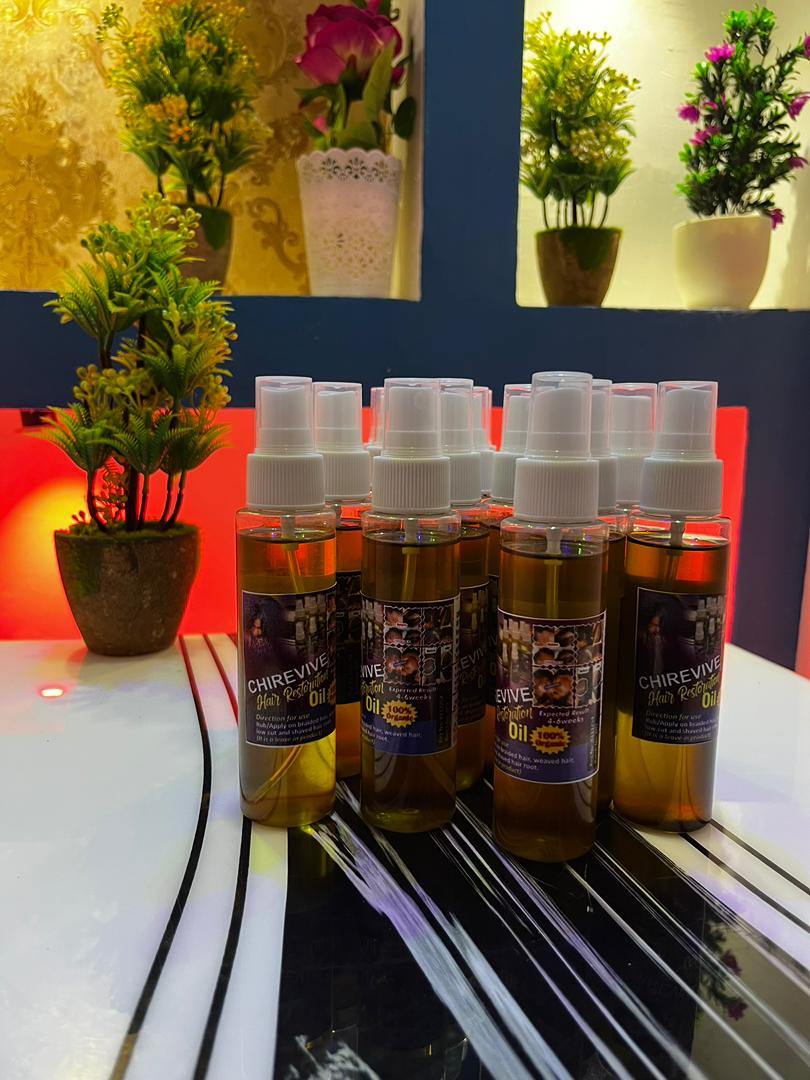
Every article here is built on the same principle: natural care, done consistently, works. Explore the CHIREVIVE range or talk to us directly.