A beard is a microclimate. What you leave under it decides whether your skin stays calm.
Itch is a signal, not a sentence
The skin under a beard is still skin. It sweats, sheds dead cells, produces oil and reacts to everything you put on it. When a beard itches, the problem is almost never the hair itself — it is the environment you have created underneath it. That is good news, because environments can be changed today.
Most beard itch falls into four patterns. Find yours and the fix becomes obvious.
The four usual suspects
- Dry skin. Harmattan air, hot showers and harsh soap strip the skin barrier. The result is tightness, fine flakes and an itch that gets worse at night.
- Trapped moisture. Sweat and oil sit against the skin under a dense beard, especially in humidity or under a face mask. That warm, damp layer irritates the skin and feeds yeast.
- Product residue. Wax, edge control, heavy pomades and unrinsed shampoo collect at the roots, block the follicle and leave a film the skin cannot breathe through.
- Coarse hairs curling back. New beard hairs can grow sideways and scratch the skin — the same mechanism behind razor bumps and ingrown hairs.
The five-minute reset
Do this tonight, not next week. It is deliberately boring, and that is why it works.
- Cleanse, do not scrub. Use lukewarm water and a mild shampoo. Work it into the skin under the beard with your fingertips — not your nails — and rinse until the water runs clear.
- Pat dry, then oil while slightly damp. A small amount of plant oil on damp skin seals in moisture instead of sitting on top of it. Three or four drops is enough for a full beard.
- Comb with the grain. A wide-tooth comb or soft beard brush smooths the hair away from the skin and stops strands curling back into it.
- Change the pillowcase. You spend six to eight hours pressing yesterday's oil, sweat and product into your face. A clean cotton or satin cover makes a measurable difference.
Persistent redness, thick yellow scales, cracks or patches of hair loss can point to seborrheic dermatitis, folliculitis or a fungal infection. These need a doctor or pharmacist, not another beard oil. Treat the condition first, then rebuild the routine.
What makes it worse
- Alcohol-heavy splashes and harsh bar soap. They feel clean for ten minutes and leave the skin drier than before.
- Scratching. It breaks the skin, invites bacteria in and turns an itch into a wound.
- Heavy petroleum-based products. They seal the surface but do not add moisture, and they trap sweat against the skin.
- A dirty trimmer or comb. Clean your tools with alcohol after every use. Most beard “infections” start with a tool, not a product.
The routine that keeps it away
Wash the beard two to three times a week — more if you work outdoors or sweat heavily. Moisturise the skin daily, not just the hair. Trim every two to three weeks so the ends stay healthy, and give the skin a break from tight face coverings where you can.
If you shave the neckline, shave with the grain, use a fresh blade and never stretch dry skin. A little preparation costs less than a week of itch.
Where the oil fits
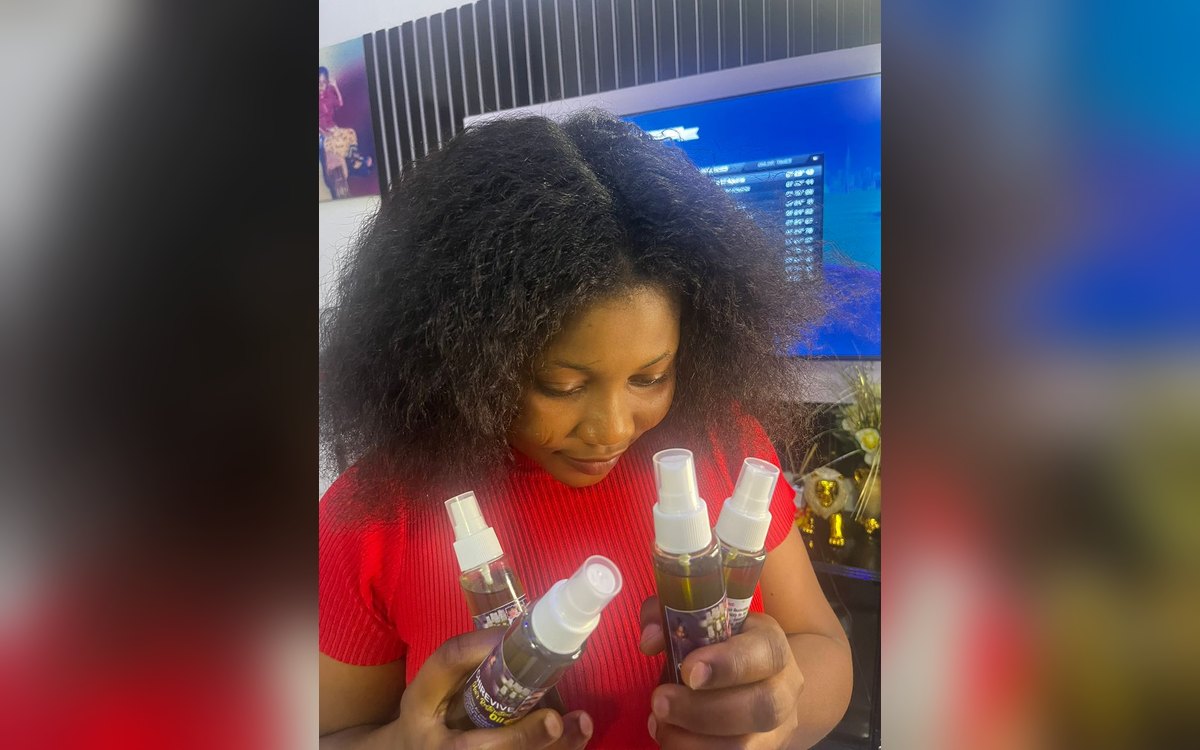
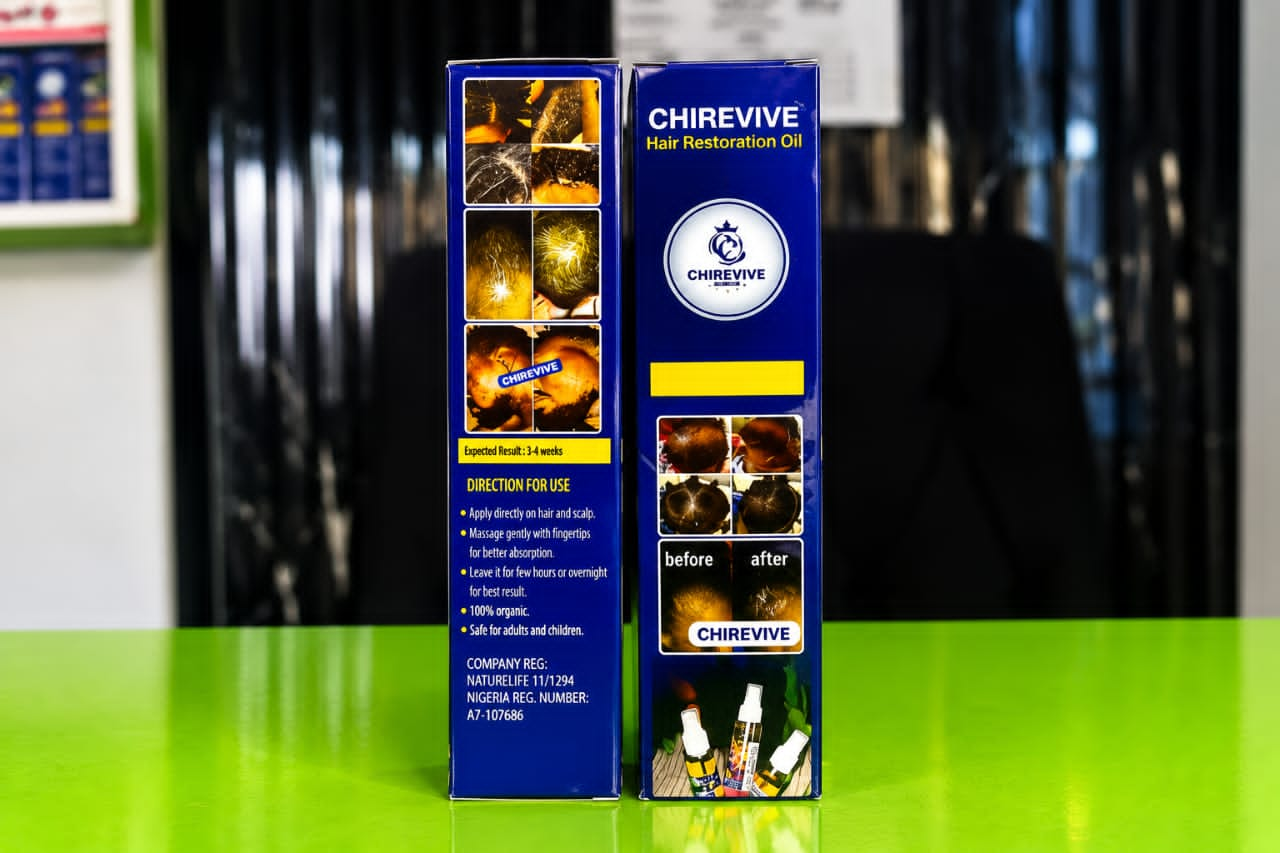
CHIREVIVE Hair Restoration Oil is built for both scalp and beard: plant oils and botanical extracts that soften coarse hair, support the skin barrier and reduce the tightness that drives itch. It is not a steroid cream and it will not fix an infection — but used on clean, damp skin, it gives the beard a calm base to grow from.
Patch test behind the ear for 24 hours before your first full application, especially if your skin is sensitive. Then keep it simple: cleanse, oil, comb, repeat. Consistency beats complexity every time.
Put this advice into practice
Every article here is built on the same principle: natural care, done consistently, works. Explore the CHIREVIVE range or talk to us directly.