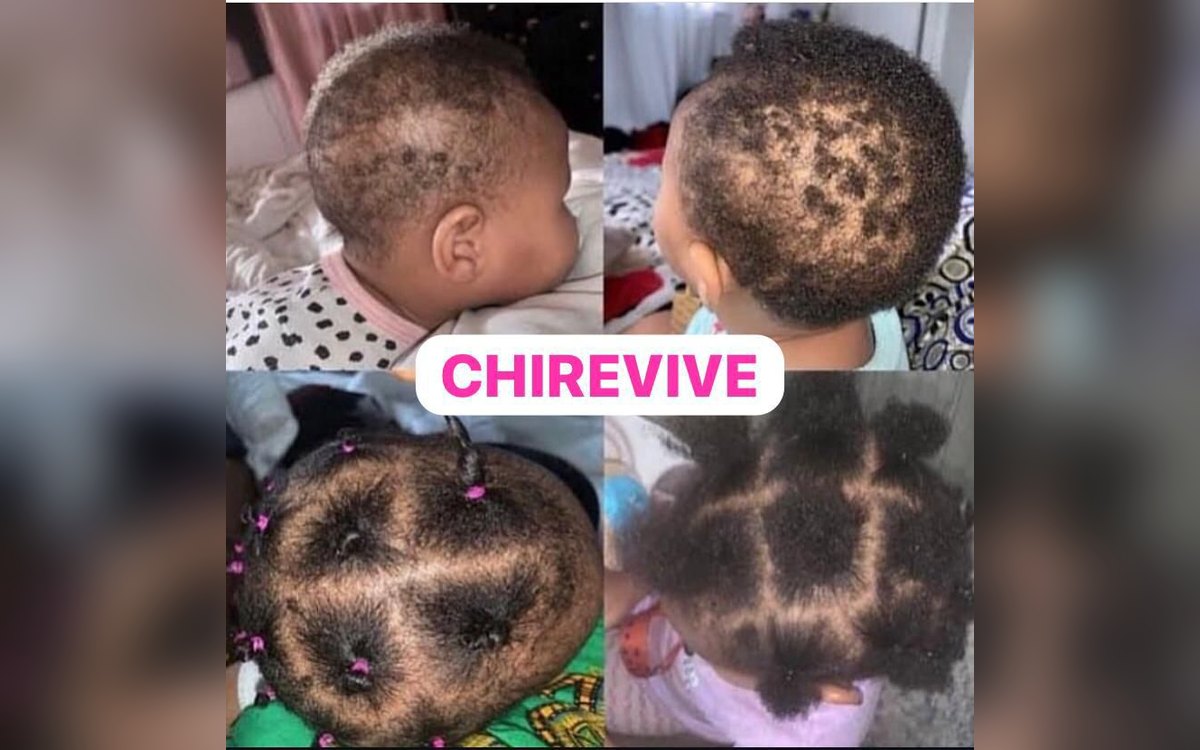
Edges do not break overnight. They break every time you ignore them.
Your edges are not like the rest of your hair
Hair at the hairline is finer, less dense and has a shorter growth cycle than the hair in the middle of your scalp. It also takes the most abuse: every ponytail, braid, wig cap, scarf and edge brush lands there first. That combination — delicate hair plus constant tension — is why the edges are the first place many people notice thinning.
The good news is that most edge breakage is mechanical, not permanent. Change the mechanics early enough and the hair recovers.
Six habits that quietly destroy edges
- Tight braids, ponytails and wigs. If your scalp hurts, the style is too tight. Pain is not a sign that the style will “settle”; it is a sign that the follicle is being pulled.
- Glue and heavy edge control. Adhesive removers, alcohol-based gels and daily brushing of a glued hairline leave the skin irritated and the hair brittle.
- Daily heat. A hot comb or flat iron on the finest hair on your head, every morning, is a slow sentence. Heat damage does not repair itself.
- Brushing dry hair. Dry hair is less elastic. Detangle with conditioner and your fingers or a wide-tooth comb, starting at the ends and working up.
- Relaxer overlap. Applying relaxer over previously relaxed hair, or leaving it on too long, weakens the strand at the point where it meets the new growth.
- Friction while you sleep. Cotton pillowcases and rough scarves rub the hairline for eight hours a night. Satin costs little and changes a lot.
Breakage or shedding? They are not the same
Broken hair is short, usually blunt-ended and often all the same length along the hairline. Shed hair is full-length and has a small white bulb at the root — that is a hair that completed its cycle, not one that snapped.
If you are seeing short broken pieces, the fix is mechanical and topical. If you are seeing a lot of full-length hair with bulbs, or smooth patches, that is a different conversation — see a doctor.
The eight-week recovery plan
- Give the hairline a real break. Two to four weeks with no braids, glue, tight ponytails or wigs that pull. Wear loose styles, scarves or a satin bonnet instead.
- Moisturise, then seal. Water-based leave-in first, a light oil on the ends. Oils do not moisturise on their own — they lock in the water you already added.
- Keep a protein–moisture balance. Hair that snaps when wet usually needs protein; hair that feels stiff and straw-like usually needs moisture. Alternate, do not stack.
- Oil the scalp, not just the hair. Two to three times a week, massage a small amount into the hairline and leave it overnight. Blood flow and a healthy scalp matter more than any single product.
- Trim the damage. Split ends travel upward. A small trim every eight to ten weeks keeps the breakage from climbing.
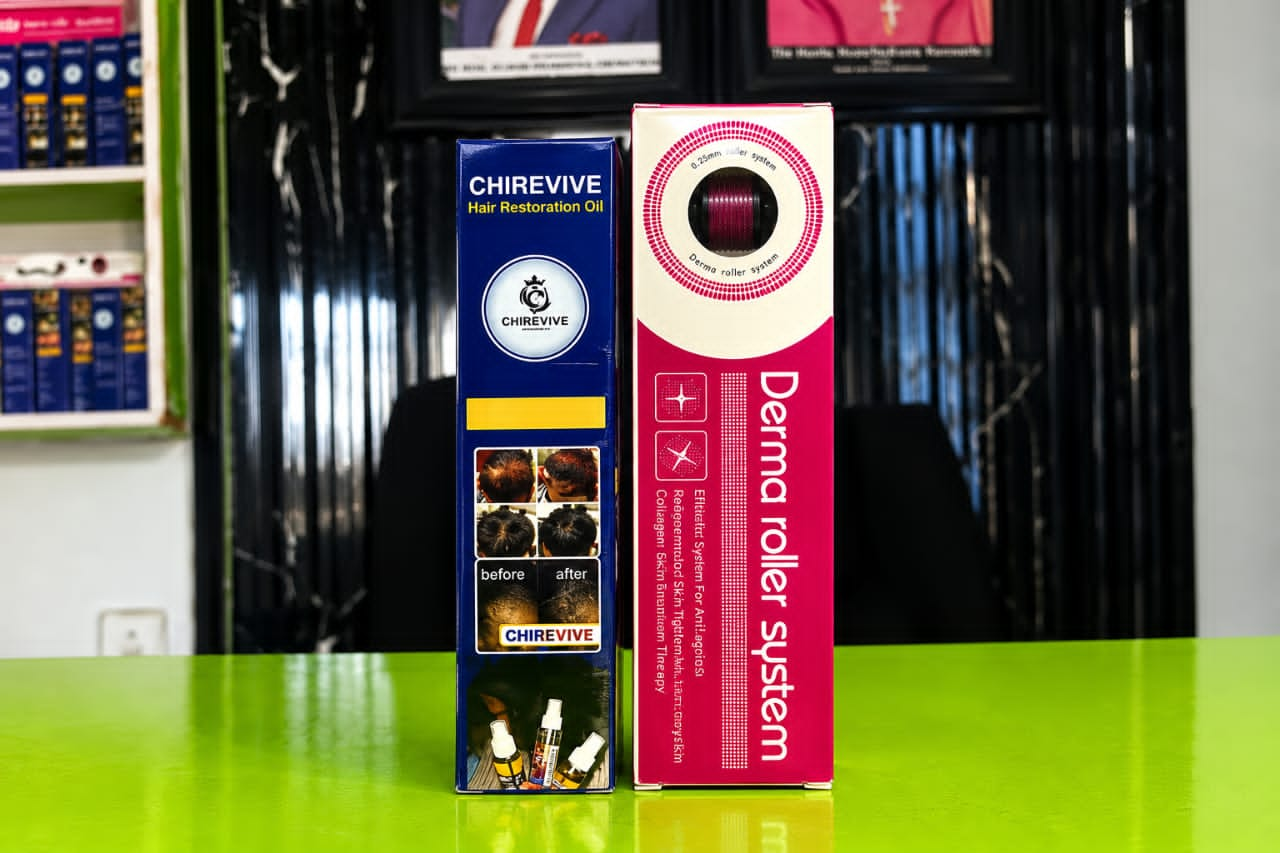
A 0.25 mm roller can help product absorb and stimulate the scalp, but only on clean, healthy, unbroken skin — once a week at most. Never roll over a tender, inflamed or freshly relaxed hairline. If you have a scalp condition, ask a professional first.
When it is not ordinary breakage
Traction alopecia (hair loss from constant pulling), alopecia areata (smooth round patches), thyroid problems, iron deficiency and hormonal changes can all show up at the hairline. If the area is smooth and shiny, if the loss is sudden, or if it is spreading, stop self-treating and see a doctor or dermatologist. Early treatment makes a real difference.
The product part, honestly
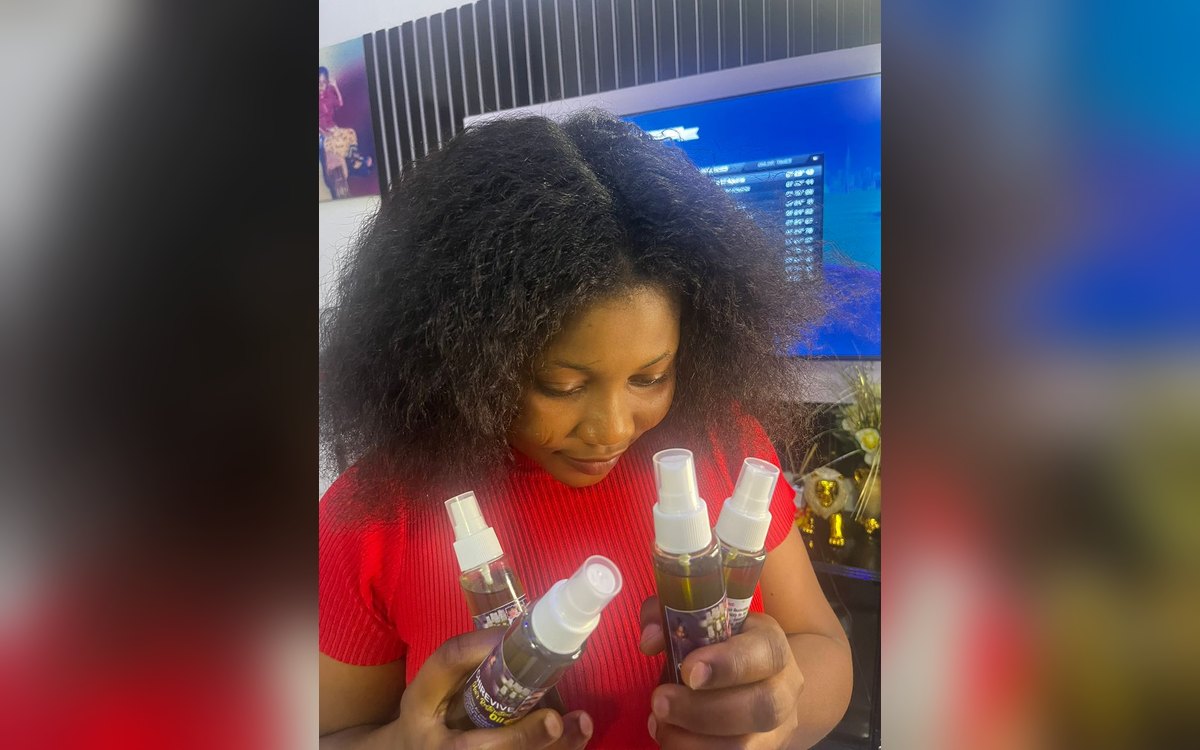
CHIREVIVE Hair Restoration Oil supports the scalp with plant oils and botanical extracts, and the Derma Roller System is there to help absorption on stubborn edges and bald spots. Neither replaces rest, nutrition and gentler styling. Used together with the eight-week plan above, they give the hairline the best conditions to recover — which is all any product can honestly promise.
Take a photo today, in the same light, and another in eight weeks. That is the only comparison that matters.
Put this advice into practice
Every article here is built on the same principle: natural care, done consistently, works. Explore the CHIREVIVE range or talk to us directly.